China Implements Unique Digital IDs for Humanoid Robots, Mirroring Human Citizen Identification
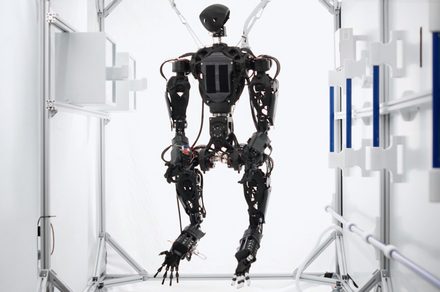
In a groundbreaking move, China has introduced a comprehensive national system that assigns a distinct digital identification code to every humanoid robot produced within its borders. This initiative treats bipedal robots-machines capable of walking or running on two legs-similarly to human citizens by providing them with unique IDs from creation through to recycling.
Understanding the Structure of Robot Identification Codes
The assigned robot ID is composed of four key segments. It begins with a two-digit country code that facilitates tracking of international trade and distribution. Following this is a four-digit manufacturer identifier, which links the robot to its producing company.
Next, a six-digit code specifies the robot’s model type, while a 17-digit serial number uniquely distinguishes each individual unit. This detailed coding system enables comprehensive monitoring of humanoid robots throughout their entire lifecycle-from manufacturing and deployment to end-of-life recycling.
The framework mandates participation from all stakeholders in the supply chain, including manufacturers, service providers, retailers, end users, and recycling centers. By establishing clear accountability, the system aims to enhance safety standards and streamline regulatory oversight, ensuring manufacturers can be held responsible for any operational failures.
Motivations Behind China’s Humanoid Robot ID Initiative
Recent data from IDC highlights a staggering 508% surge in global humanoid robot shipments in the past year, totaling approximately 18,000 units worldwide, with Chinese companies spearheading this expansion. Currently, China hosts over 100 humanoid robot manufacturers, and more than 28,000 robots spanning 200 different models have already been registered with digital IDs prior to the official launch of this platform.
Yu Xiuming, deputy director at the China Electronics Standardization Institute, explains that the system addresses critical challenges related to safety, governance, and regulatory compliance. As the humanoid robotics sector accelerates faster than existing regulations can keep pace, this identification platform serves as an essential industrial infrastructure. Rather than a surveillance tool, it represents a foundational step toward standardized practices necessary for scaling the industry globally.
Implications for the Future of Robotics and Industry Standards
By instituting a full lifecycle management system for humanoid robots, China is setting a precedent for responsible innovation in robotics. This approach not only facilitates traceability and quality control but also fosters consumer trust and international cooperation. As the global market for humanoid robots is projected to grow exponentially-forecasted to reach over $20 billion by 2027-such regulatory frameworks will be vital in ensuring sustainable and ethical development.
Moreover, this initiative could inspire other nations to adopt similar identification systems, promoting transparency and accountability across the robotics industry worldwide. The integration of unique digital IDs may also pave the way for enhanced cybersecurity measures, preventing unauthorized use or tampering with robotic units.