Supernal, Hyundai’s eVTOL Venture, Temporarily Halts Operations Amid Leadership Changes
Supernal, Hyundai’s electric vertical takeoff and landing (eVTOL) startup, has recently paused its aircraft development program following significant leadership upheavals and workforce reductions. Sources close to the company revealed that the departure of both the CEO and CTO has contributed to this operational standstill.
Early Progress and Ambitious Timelines
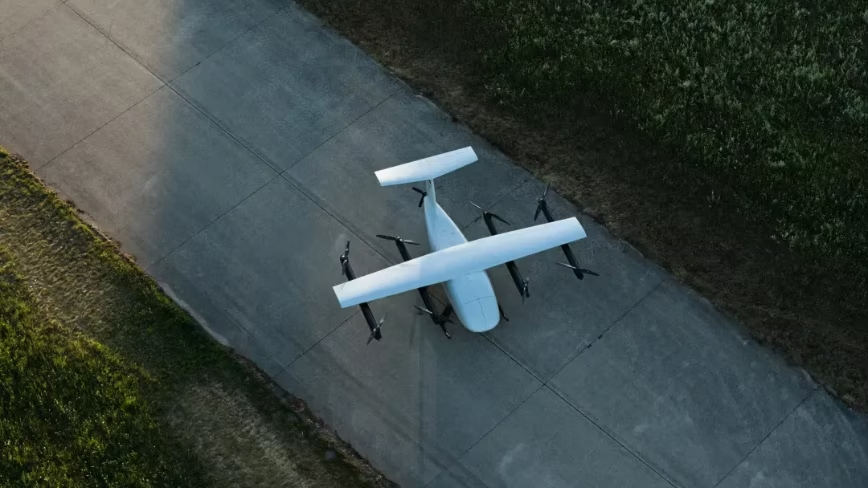
Despite being in the early stages of development, Supernal had made notable strides this year, successfully completing its initial test flight of a technology demonstrator. Subsequent trials were conducted, yet the company had not achieved its first untethered flight before the current pause. The startup had initially targeted a commercial launch of its urban air mobility service by 2028, aiming to revolutionize electric air taxi transportation.
Executive Departures and Organizational Restructuring
Last week, Supernal officially announced the exit of CEO Jaiwon Shin. Additionally, David McBride, the company’s CTO, has also left, according to insiders who preferred to remain anonymous. These leadership changes coincide with a broader restructuring effort, which included layoffs earlier this summer and the closure of Supernal’s Washington, D.C. headquarters late last year.
David Rottblatt, previously the senior director of business development, has stepped in as Interim COO to oversee ongoing business operations. Hyundai Group has expressed intentions to appoint a new leadership team with extensive expertise in business management to steer Supernal through its next phase and accelerate its Urban Air Mobility (UAM) initiatives.
Industry Context: Challenges and Competition in eVTOL
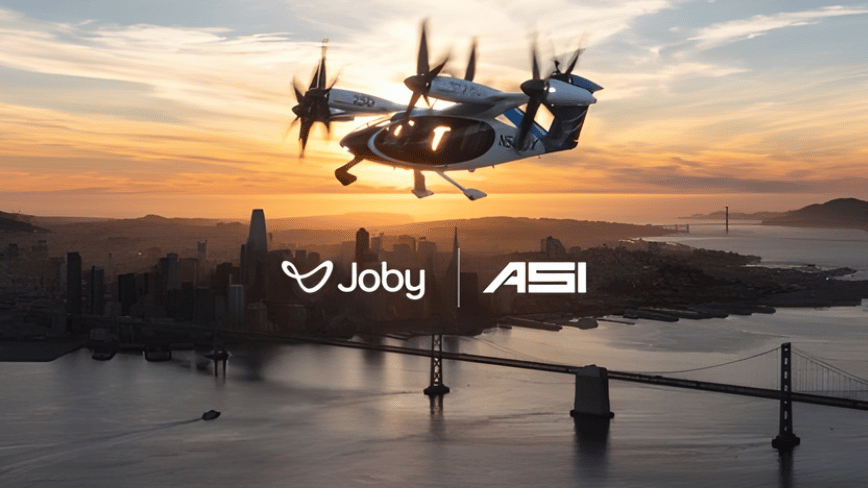
Supernal’s difficulties reflect wider turbulence within the emerging electric air taxi sector. While some competitors, such as Joby Aviation-backed by Toyota-have secured strategic partnerships and acquisitions to bolster their market position, others like Lilium have faced financial hardships, including bankruptcy filings. This volatile environment underscores the challenges startups face in scaling eVTOL technology to commercial viability.
Background and Future Outlook
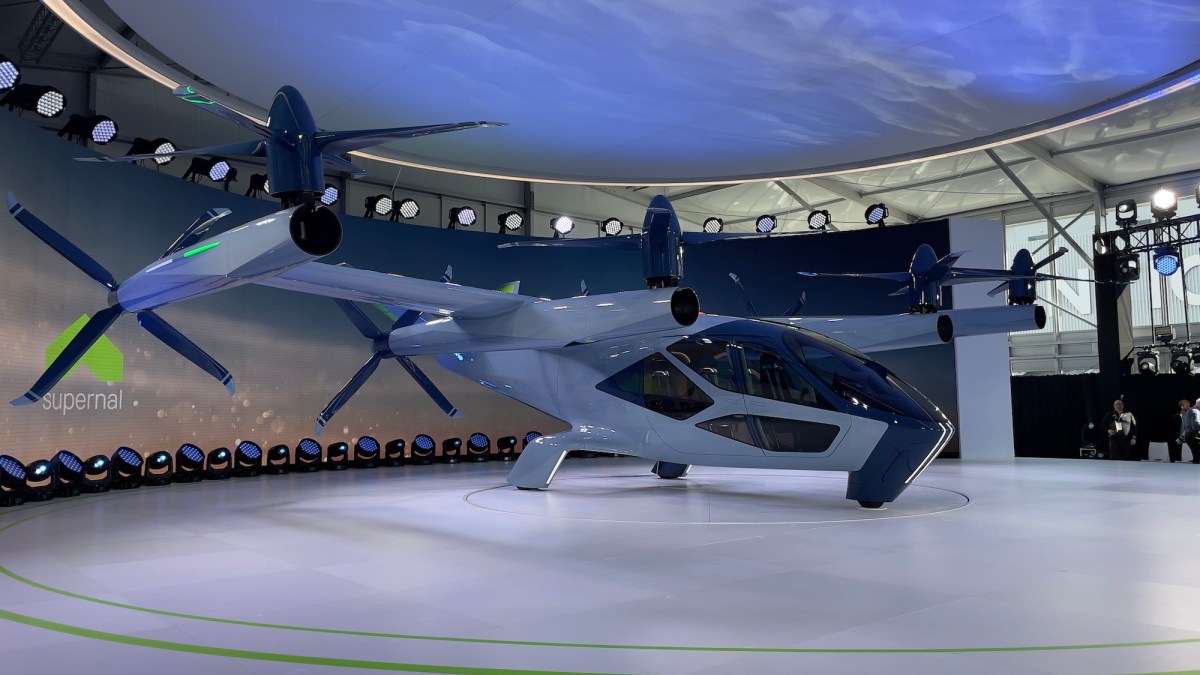
Established as a Hyundai Group spin-off in 2020, Supernal had been positioning itself as a key player in the UAM space. The company showcased a larger, non-flying prototype at the 2024 Consumer Electronics Show, signaling its commitment to innovation. Former CTO McBride had expressed enthusiasm about pushing technological boundaries as recently as August 2024.
However, Supernal is not the only Hyundai-affiliated venture encountering setbacks. In 2024, Motional, Hyundai’s autonomous vehicle joint venture, underwent a major restructuring after its partner Aptiv withdrew funding. This led to a 40% workforce reduction and the resignation of CEO Karl Iagnemma, highlighting the challenges Hyundai faces in pioneering advanced mobility solutions.
Looking Ahead
With new management poised to evaluate Supernal’s strategic direction, the timeline for resuming development and achieving commercial operations remains uncertain. The evolving leadership aims to leverage deep operational expertise to navigate the complex landscape of urban air mobility and bring Hyundai’s vision for electric air taxis closer to reality.