Media Invitation: Witness the Launch of Northrop Grumman’s Pegasus XL Rocket at NASA Wallops
Journalists are invited to attend a special event at NASA’s Wallops Flight Facility in Virginia on Wednesday, June 17, to observe the launch of Northrop Grumman’s Pegasus XL rocket. This mission will carry the Katalyst robotic spacecraft, designed to perform an orbital boost for NASA’s Neil Gehrels Swift Observatory, thereby prolonging its scientific operations.
About the Katalyst LINK Spacecraft and Its Mission
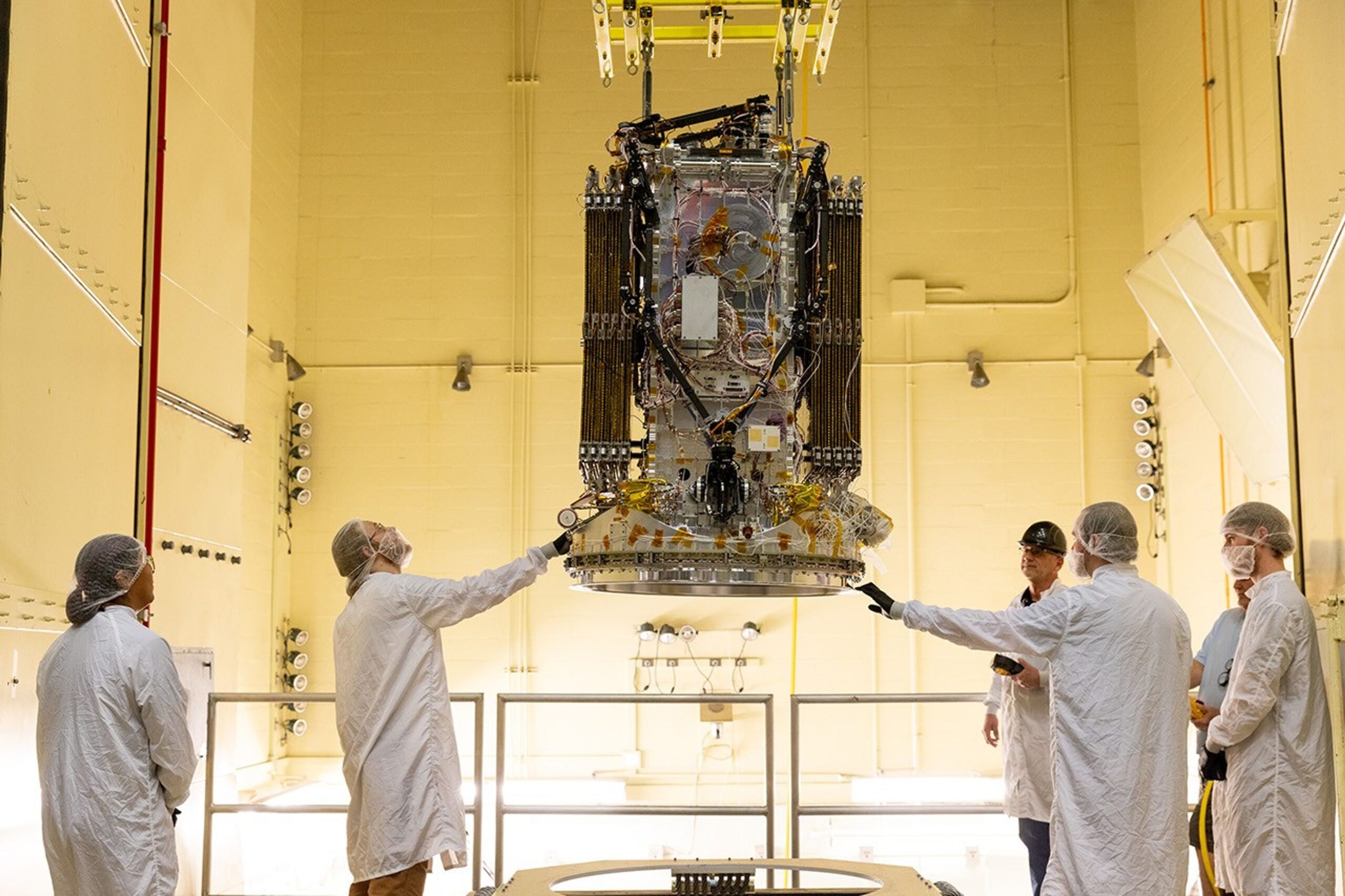
The robotic servicing vehicle, known as LINK, is set to launch aboard the Pegasus rocket this June. LINK’s primary objective is to rendezvous with the Swift Observatory and elevate its orbit, effectively extending the telescope’s mission duration and enhancing its ability to study high-energy cosmic phenomena.
Media Access and Coverage Opportunities
Both domestic and international media representatives are encouraged to apply for onsite credentials to cover the launch event. Attendees will have the chance to see the Pegasus rocket and the L-1011 Stargazer aircraft, which will air-launch the rocket. In addition to live interviews, accredited media will receive exclusive photos and video footage of the LINK spacecraft, already secured within the rocket’s payload fairing.
Virtual Media Briefing Details
NASA and Katalyst will also conduct an audio-only media teleconference on June 17 to provide an in-depth preview of the mission to boost the Swift Observatory’s orbit. This briefing will be streamed live on NASA’s official YouTube channel. Specific details regarding the schedule and participants will be announced closer to the event date.
Credential Application Deadlines and Requirements
U.S. media personnel must submit their applications by 4 p.m. EDT on Wednesday, June 10. International journalists without U.S. citizenship are required to apply earlier, by 3 p.m. EDT on Wednesday, May 27. For full details on NASA’s media accreditation policies, please refer to the official guidelines available online.
To request credentials for either onsite attendance or participation in the teleconference, media representatives should contact Amy Barra at amy.l.barra@nasa.gov and provide the following information:
- Full legal name (matching government-issued ID)
- Email address
- Contact phone number
- Job title and affiliated organization
- Country of citizenship
Significance of the Swift Observatory
Launched in 2004, the Neil Gehrels Swift Observatory remains a cornerstone of NASA’s space telescope fleet, specializing in the observation of gamma-ray bursts-the universe’s most energetic explosions-as well as other transient cosmic events. Swift acts as an early warning system, rapidly detecting sudden high-energy phenomena and alerting other observatories to conduct follow-up studies, thereby deepening our understanding of the dynamic universe.
Additional Resources
For more detailed information about the upcoming orbital boost mission and the Swift Observatory’s ongoing scientific contributions, visit:
https://science.nasa.gov/mission/swift/swift-boost-mission