Advancing Robotics: China’s Ambitious Push into Humanoid Competitions and AI Innovation
Robots Take Center Stage in Diverse Sporting Challenges
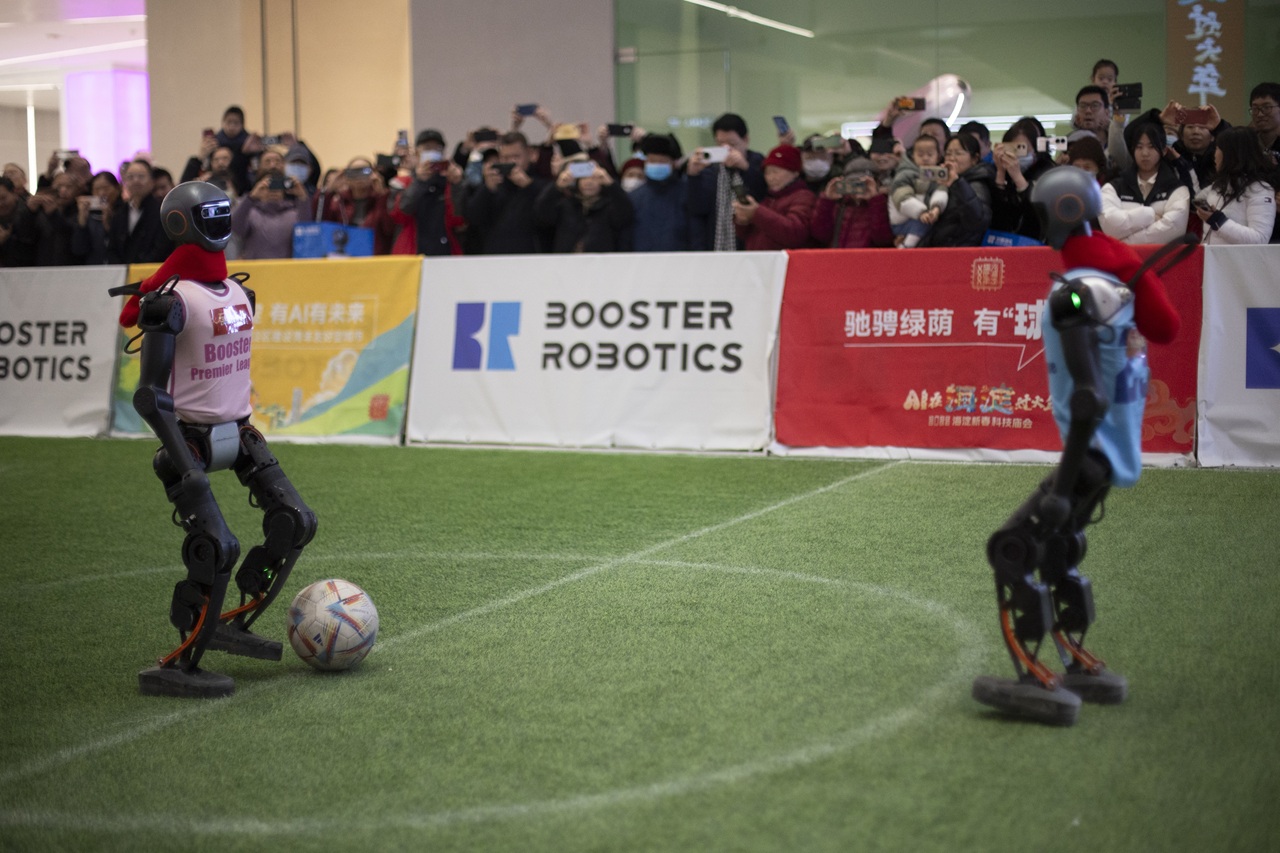
Robotic competitors are showcasing their versatility by engaging in a variety of sports, including football, track and field events, and table tennis. Beyond athletic contests, these machines are also tasked with specialized functions such as pharmaceutical sorting, material handling, and sanitation services, highlighting their expanding practical applications.
Global Participation and Industry Representation
The event draws a diverse array of participants from countries like the United States, Germany, and Brazil. Among the contenders, 192 teams hail from academic institutions, while 88 represent private sector enterprises. Notably, prominent Chinese robotics firms such as Unitree and Fourier are actively involved, underscoring China’s growing influence in the robotics arena.
Government Backing Reflects Strategic Priorities
Organized in part by the Beijing Municipal Government, the competition underscores the Chinese authorities’ commitment to nurturing the robotics industry. This initiative aligns with the nation’s broader ambitions to become a global leader in artificial intelligence and automation technologies.
Addressing Demographic and Economic Challenges Through Robotics
China’s intensified focus on robotics emerges amid demographic shifts, including an aging population and decelerating economic growth. To counter these challenges, the government has injected over $20 billion in subsidies into the robotics sector within the past year. Additionally, plans are underway to establish a $137 billion fund dedicated to fostering AI startups, signaling a robust investment in future technologies.
High-Profile Events Fuel Innovation and Public Engagement
Recent months have seen China host a series of prominent robotics conferences, including the inaugural Humanoid Robot Marathon held in Beijing. Alongside these events, retail outlets specializing in humanoid robots have opened, making advanced robotics more accessible to the public.
While the marathon faced criticism due to some robots failing to complete the race and instances of mechanical malfunctions such as smoke emissions, experts emphasize the importance of these trials. Far from mere publicity stunts, these competitions serve as critical platforms for technological advancement and real-world testing.
Growing Public Interest Signals a Shift in Perception
According to a recent Morgan Stanley analysis, attendance at robot-related events has surged, reflecting a broader societal embrace of embodied intelligence concepts beyond government circles. This heightened enthusiasm is seen as a key driver in sustaining China’s leadership in humanoid robotics by attracting talent and investment necessary for long-term industry growth.
Robotics in Action: Football as a Benchmark for Technological Progress
Booster Robotics, collaborating with Tsinghua University, is deploying humanoid robots in the football competition. The company regards soccer as an ideal environment to test and refine critical capabilities such as perception, decision-making, and motor control. These advancements have promising implications for future applications in manufacturing and domestic settings.
“Soccer provides a dynamic and challenging arena for us to enhance our robots’ skills,” explained Zhao Mingguo, Chief Scientist at Booster Robotics.
Looking Ahead: The Future of Robotics in China
As China continues to invest heavily in robotics and AI, the integration of humanoid robots into both competitive and practical domains is expected to accelerate. This momentum not only addresses immediate societal needs but also positions China at the forefront of the global robotics revolution.