Innovative Robotic Tibetan Antelope Enhances Wildlife Protection in Hoh Xil
| Estimated Reading Time: 2 minutes
Harnessing Advanced Robotics and AI for Wildlife Conservation
Cutting-edge technologies in robotics and artificial intelligence are revolutionizing conservation efforts across China. These innovations are playing a pivotal role in safeguarding endangered species and their fragile ecosystems.
Hoh Xil: A Remote Sanctuary for Tibetan Antelopes
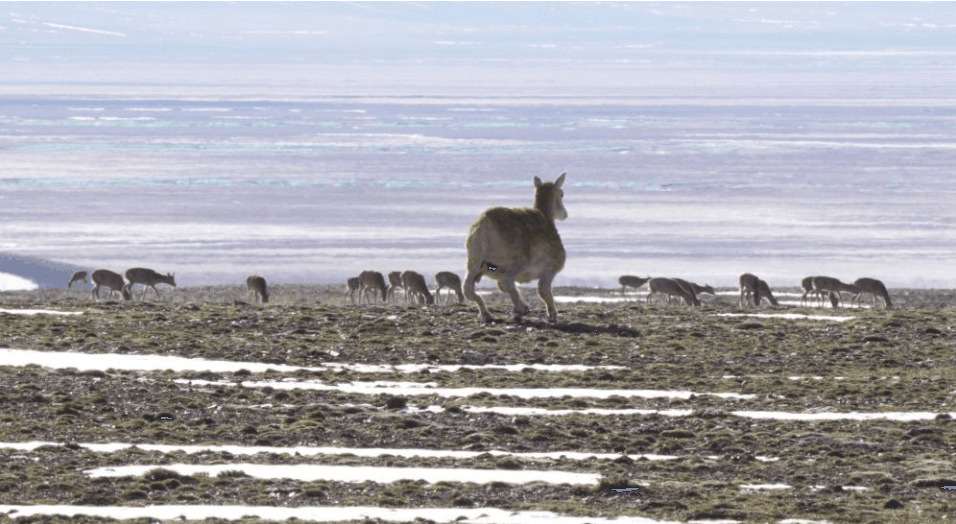
Situated in the heart of the Qinghai-Tibet Plateau, Hoh Xil is an expansive and pristine wilderness characterized by its extreme altitude and severe climate. This remote region serves as a critical sanctuary for rare wildlife, including the iconic Tibetan antelope. Each year, from May through August, female Tibetan antelopes congregate near Zhuonai Lake within Hoh Xil to give birth before dispersing back to their natural habitats. This seasonal movement is recognized as one of the most remarkable ungulate migrations globally.
Challenges in Monitoring Tibetan Antelope Behavior
Despite the significance of this migration, the Tibetan antelope’s heightened sensitivity to human presence has long hindered close-range observation, complicating scientific study and conservation initiatives. Traditional monitoring methods often disturb the animals, limiting researchers’ ability to gather accurate behavioral data.
Introducing the Robotic Tibetan Antelope: A Game-Changer in Wildlife Observation
To overcome these obstacles, researchers have deployed a lifelike quadruped robot modeled after the Tibetan antelope, known as the “Robotic Tibetan Antelope.” Recently introduced near Zhuonai Lake, this autonomous robot seamlessly integrates with the migrating herds, enabling zero-disturbance observation. By mimicking the appearance and movement of real antelopes, it captures high-fidelity images and videos, providing invaluable insights into their natural behaviors without causing stress or disruption.
Technological Innovations Behind the Robotic Guardian
The Robotic Tibetan Antelope is built upon the Jueying X30 quadruped robotic platform, developed by Hangzhou DEEP Robotics Technology, with the realistic animal design crafted by the Suzhou Bailuming team. Equipped with advanced AI algorithms, the robot autonomously navigates challenging terrains such as snowfields, mountainous regions, swamps, rivers, and deserts. Its operational range extends up to 2 kilometers in open landscapes like Hoh Xil, significantly reducing the need for human presence and minimizing disturbance to wildlife.
Supporting Rangers and Enhancing Conservation Efforts
Long-term patrolling in Hoh Xil is physically demanding and often perilous for rangers dedicated to protecting this fragile ecosystem. Qiupa Tashi, from the Law Enforcement Supervision Section of the Hoh Xil Administration Office under the Sanjiangyuan National Park Administration, emphasizes that integrating robust technologies such as robotics and AI provides essential support to conservation teams. These tools not only enhance monitoring capabilities but also contribute to the sustainable preservation of Hoh Xil’s unique biodiversity.
Looking Ahead: The Future of Wildlife Protection with Robotics
As global biodiversity faces increasing threats, the deployment of intelligent robotic systems represents a promising frontier in wildlife conservation. The success of the Robotic Tibetan Antelope in Hoh Xil exemplifies how technology can bridge the gap between humans and elusive species, fostering coexistence and deeper ecological understanding. With ongoing advancements, similar robotic guardians may soon be employed in other critical habitats worldwide, amplifying conservation impact.