Samsung’s Robotics Venture Targets Humanoids, Yet Factory Automation Remains the Immediate Focus
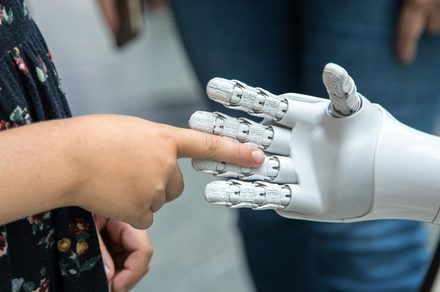
Katja Ano / Unsplash
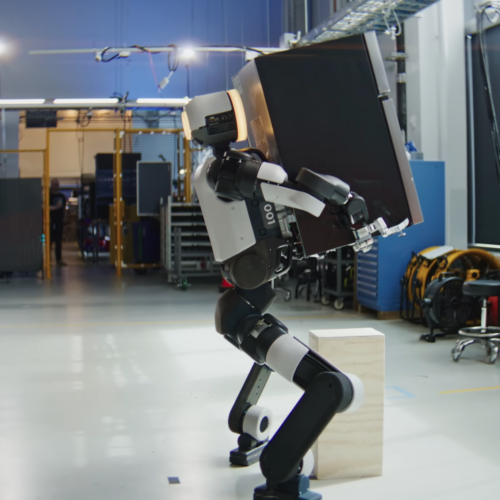
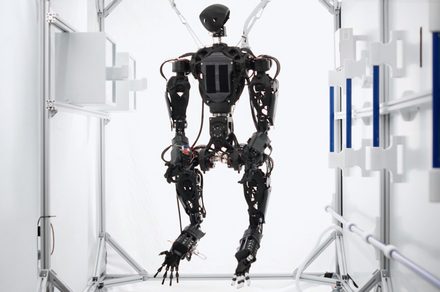
Samsung is gearing up to compete in the humanoid robotics arena, but its initial efforts are concentrated on developing robots tailored for industrial environments rather than domestic settings.
Launching with Industrial Automation
The newly established RX robotics division, spearheaded by Samsung’s CEO, is primarily dedicated to creating manufacturing robots. While humanoid robots are acknowledged as a strategic priority, Samsung has yet to unveil a commercial humanoid model or clarify its role within the division’s short-term objectives.
Although Samsung’s long-term vision includes humanoid robots, the first wave of products will likely be more utilitarian, focusing on robotic systems optimized for factory floors.
Why Industrial Settings Are the Starting Point
This robotics initiative aligns with Samsung’s broader ambition to revolutionize its production facilities into AI-powered smart factories by 2030. The company’s strategic blueprint incorporates humanoid robots alongside automated assembly lines and logistics solutions.
Factories present an ideal environment for deploying robots due to their predictable workflows and controlled conditions. Moreover, Samsung’s extensive global manufacturing footprint offers a practical platform for piloting and scaling industrial robotics.
However, these factory deployments are not merely stepping stones for household robots; they represent a viable business opportunity in their own right, allowing Samsung to establish a foothold in industrial automation while continuing to develop more advanced humanoid technologies.
Potential Early Robotics Models
Samsung accelerated its robotics capabilities by acquiring Rainbow Robotics, a company founded by pioneers behind South Korea’s first bipedal humanoid robot. This acquisition signals Samsung’s commitment to advancing humanoid technology.
One of Rainbow’s notable creations, the RB-Y1, exemplifies the kind of robot Samsung might introduce initially. Featuring two arms with human-like dexterity but utilizing wheeled locomotion instead of walking, the RB-Y1 has reportedly been tested in logistics environments such as warehouses. This design choice prioritizes efficiency and stability over the complexity of bipedal movement, which remains a significant engineering challenge.
While walking robots often capture public imagination with their lifelike motions, wheeled robots currently offer more practical solutions for industrial tasks that require speed and endurance.
Prospects for Consumer-Focused Humanoids
Although Samsung envisions extending its robotics technology into retail and home environments, no consumer humanoid robot has been announced, nor is there a timeline for such a release.
Samsung’s previous attempt with Ballie, a rolling home assistant robot, faced delays and was eventually repositioned as an internal innovation tool rather than a commercial product. This history suggests that consumer humanoid robots remain a longer-term goal rather than an imminent market offering.
At present, Samsung’s robotics efforts are firmly rooted in industrial applications, with humanoid robots representing an aspirational frontier still under development. The concept of a Samsung robot handling household chores like laundry remains speculative and in early conceptual stages.