The New Era of Robotics in Manufacturing: AI-Powered Factories Leading the Way
The manufacturing landscape is undergoing a profound transformation driven by advancements in robotics and artificial intelligence. Industry giants such as Tesla, Foxconn, and Nvidia are at the forefront of this evolution, pioneering the integration of AI-enabled automation to revolutionize factory operations.
Revolutionizing Production with Intelligent Automation
Across the United States, the adoption of automation, AI, and robotics is reshaping manufacturing processes with the dual objectives of boosting productivity and revitalizing domestic production capabilities. This shift is not only enhancing operational efficiency but also contributing to the strategic goal of reshoring manufacturing jobs.
Foxconn’s Expanding Robotic Workforce
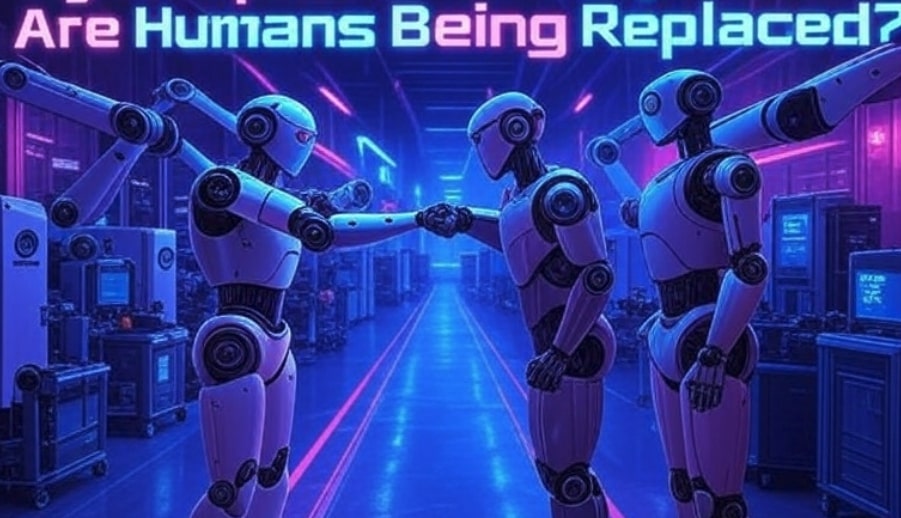
Foxconn has been a long-time innovator in robotic automation, currently operating tens of thousands of robots within its facilities. The company is now intensifying efforts to deploy advanced humanoid robots capable of executing intricate tasks that traditionally required human dexterity and decision-making. This move aims to further streamline production lines and reduce reliance on manual labor.
Nvidia’s Technological Leadership and Collaborative Ecosystem
Nvidia stands out as a technological powerhouse in this domain, collaborating with over 20 companies specializing in humanoid robotics. Their platforms, including Isaac and Omniverse, enable the creation of sophisticated digital twins-virtual replicas of factories, products, and workflows-that facilitate rapid prototyping, testing, and optimization of industrial designs before physical implementation.
Strategic Implications: Geopolitics and Industrial Policy
The rise of AI-driven robotics in manufacturing carries significant geopolitical and policy ramifications. Nations investing heavily in these technologies are poised to gain competitive advantages in global supply chains and economic influence. Consequently, governments are increasingly crafting policies to support innovation in robotics and AI to secure their industrial futures.
Integrating Humanoids in Diverse Factory Environments
Humanoid robots offer versatility by functioning effectively in both existing “brownfield” factories and newly constructed “greenfield” facilities. To fully harness their potential, manufacturing plants must be redesigned to accommodate robotic workflows. Tesla exemplifies this approach with its modular, flexible factory layouts that can quickly adapt to evolving production demands and robotic capabilities.
Accelerating Innovation Through Digital Twins
Digital twins have emerged as indispensable tools in modern manufacturing, providing real-time virtual simulations of factory operations, product designs, and process flows. These simulations enable engineers and managers to identify inefficiencies, test new configurations, and accelerate innovation cycles without disrupting physical production lines.
Looking Ahead: The Future of AI and Robotics in Manufacturing
As of 2024, the global robotics market in manufacturing is projected to surpass $75 billion, reflecting rapid adoption and continuous technological breakthroughs. Companies investing in AI-driven robotics are not only enhancing productivity but also setting new standards for sustainability and worker safety. For example, collaborative robots (cobots) are increasingly deployed to work alongside humans, reducing workplace injuries and improving ergonomics.
In summary, the convergence of AI, robotics, and digital simulation is ushering in a new industrial revolution. By embracing these technologies, manufacturers can achieve unprecedented levels of efficiency, flexibility, and innovation, positioning themselves for success in a highly competitive global market.